When it comes to where to get hair loss treatments, there are many factors to consider in medical tourism hotspots, like Turkey and Bangkok, or even other locations within Australia. Read our latest interview with Boss Clinic Director, Debra Best, about the risks and realities of medical tourism for hair treatments and transplants.
Question: When it comes to medical tourism for hair transplants, what are the hidden risks?
Debra: “The theme here is you want to have the most experienced, caring surgeon that you could possibly have do it once, and do it properly.
When you go in and start extracting grafts, you’re causing scar tissue. When you’re implanting grafts, you’re causing scar tissue. So for every one graft, technically there are two scars. If you have the wrong person start this process, they’ve already caused an unbelievably high amount of scar tissue. So even if you choose the best surgeon the second time around, that surgeon is already working with one hand tied behind his or her back because they have to work within all that scar tissue from the first time, which you can’t often see until you’re already in the procedure to try and correct it.
You’re never, ever going to have the best possible outcome doing it that way around. And unfortunately, that’s where we’re at. We get so many patients that have had procedures elsewhere, and it’s not always overseas; it can even be somewhere local, but they just haven’t taken the time to do the procedure correctly.
Maybe the patient has rushed in because they can get in quickly, which is always a bit of an alarm for me, or because of the price. “Oh, it’s so much cheaper here.” But there’s generally a reason for that. If you’re an experienced surgeon, you’re going to have a wait list.
Our wait list is generally three months or more to have a procedure, because we have a great surgeon. If you’re reusing tools, or you’re using a more expensive tool, or based on how you’re doing sterilization, the cost of the procedure can change quite a lot. If people are cutting corners, the cost will be lower. But whenever they cut a corner, it’s going to have some type of effect on you, your outcome, and your future.”
Question: What is the worst case scenario when someone has a procedure that does not go well?
Debra: “The nightmare for me is not being able to help them.
When you’re trying to cover up all the scar tissue with hair pieces, or you’re tattooing over scars, we’re coloring in the skin, we’re trying to make it look like hair, and you’re running out of options. That person’s scalp starts to look like a bit of a roadmap, and there’s no hair there. And that’s horrible for me, horrible for the patient, and to have to say you can’t help him… that’s not where we want to be.
The takeaway is to choose carefully and slowly, and always have someone there to give the after-service. That’s a big factor about having procedures done where it’s not easy to get back in for a checkup, or a top-up, or little things that could make a big difference in a year or more with the outcome.”
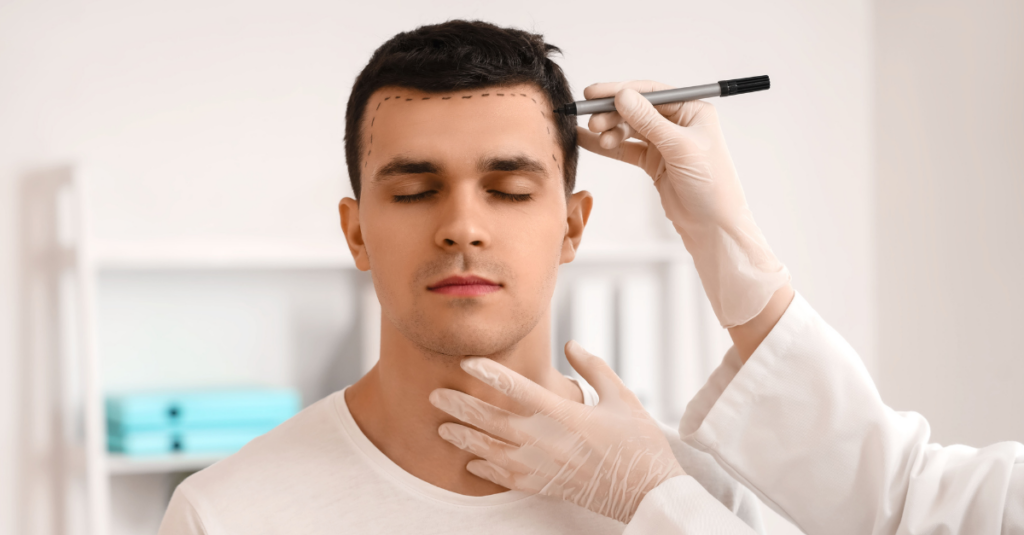
Question: If someone tells you they’re considering going overseas for hair treatments or transplants, what should they be aware of?
Debra: “There are some extremely talented people in every country. So of course there are going to be some talented surgeons, and when you look at the ones that have a proven track record and good outcomes, the price is almost the same as in Australia. If you add in airfares and accommodation, you’re not really going to be saving any money.
However, if you go for companies that are not so proven, or don’t have the skills, then the cost is going to be a lot less. You’re going to get a huge variation in medical standards. We’re not even talking about skill… just sterilization protocols being inconsistent. Reusing lower quality instruments saves a lot of money, which is what a lot of companies will do. Also inadequate emergency equipment. When things get complicated, and they often do, they’re not set up to solve the problem quickly and ethically. They increase the risk of infection, increase scarring, and therefore increase the risk of graft failure.
If you’re going to another country, you’re immediately limiting the accountability if something goes wrong; you won’t have any recourse to that practice, because that country will support the clinic. You are not the one that will be supported in that scenario. Most countries use technician-driven, not surgeons. They may have one surgeon overlooking 30 or 40 procedures. There are a lot of things that can go wrong when you’re not being looked after one-on-one. Most technicians are unlicensed; they can be very, very good, but they should always be working under the direction of a surgeon.
The way we do it at Boss Clinic is to have a technician assist our surgeon, so we have the best of both worlds. You have the technician in the mix to help out and keep the speed going so you can stay comfortable. But really, the surgeon is the one leading with the steady hands, and the experience.
In Australia we have a lot of protocols, even on the amount of local anesthetic that is safe to give. And some companies just don’t pay attention to that. They will use more and more anesthetic and put the patient into a risk category, and it becomes unsafe for the patient. That’s when things go wrong. If you have unlicensed technicians, they can do things like over-harvest, or create a poor graft survival, an unnatural hair direction and density. And patients won’t have a clue about this until long after the transplant. At that point, it could be six months later when you’re back at home and you start realizing all these things haven’t quite gone your way.
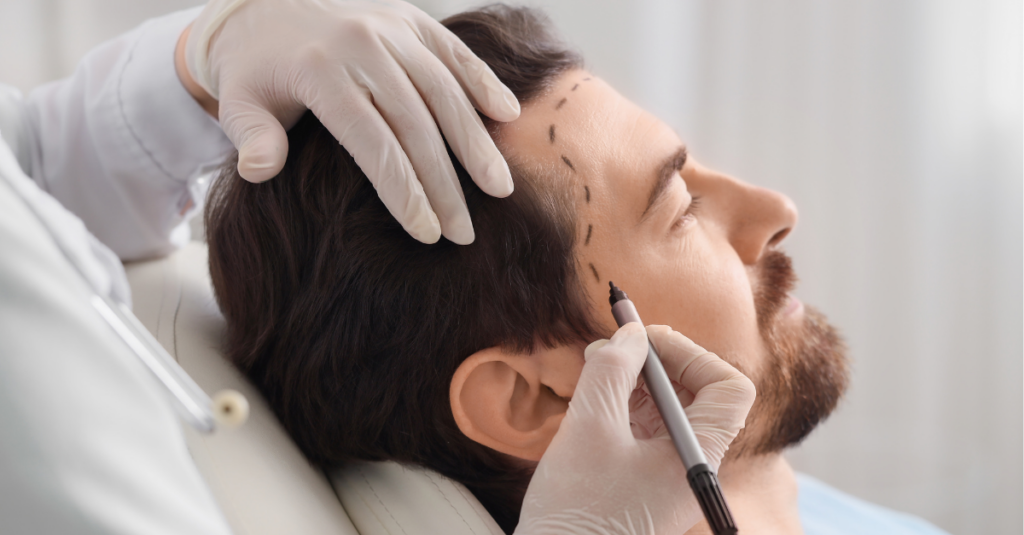
Another challenge is language and communication; a really simple misunderstanding about expectations, or exactly the shape of the hairline, or how thick you want the hairline. The hairline is just so very important, and to have that go wrong, we see that every single day. People have had hairlines not go how they wanted, and it could have just been a communication issue.
Inadequate aftercare and follow-up transplants also require months of monitoring, and you just can’t do that if you’ve been to another country, had a procedure done, and then you’re back at home a week later. They may offer WhatsApp follow-ups, but there’s only so much you can see through a screen compared to a microscopic camera. If you’re sitting in front of me, I am looking with a minimum of a 50x multiplication on a camera, and you can’t do that on a laptop or through WhatsApp.
I also think about complications with infection, shock, loss. If you think about it, you may have 10,000 open wounds on the scalp, and off you go to the airport to sit on a plane. To have all of that going on in an airport and on an airplane, with the level of bacteria, an infection would be so, so easy to transmit. It’s just not an ideal situation. Other travel-related health risks, like swelling, risk of bleeding, graft displacement and dehydration, can harm the grafts and ultimately cause less to survive.

The other thing that overseas countries often do is these one-time mega sessions. If you’ve got three or four people working on one patient’s scalp, it starts to get difficult to get hair direction correct because you’ve got so many hands in the way. There’s only a small space, and you can’t give the perfect hair direction. Then you end up with 20 hairs going one direction, and 20 hairs going in the opposite direction. You’re not going to have a nice outcome with something like that. They’re not really paying attention to preserving the donor area, and they’re not planning for future hair loss, so the patient will have no donor hair left if they want to have any corrections done later on.
Going through the psychological pressure of trying to do it all quickly in a short period of time… rushing you in, rushing you out, it all just equates to lots of things that can go wrong, and ultimately, you pay the price for that. And then you may have costly corrections when you come home. Fixing a bad hair transplant often costs more than doing it properly in the first place.
However, then you’re working with a scar. You’re trying to repair scars, as well as do a good job with the hair transplant. Hairline reconstruction over scarring is not ideal, because you’re starting to run out of donor hair. So now we’re looking at beard or body hair extraction, and then we’ve got three different types of hair trying to look like one type of hair; it doesn’t usually look very good in the end.
All these things are something to consider… make your decisions slowly, choose your surgeon wisely. We have a whole support team that comes with the aftercare for the maintenance, the future planning, and even just controlling the hair loss in the future. At Boss Clinic, we make sure we cover all of those areas.
I’ve been consulting in the clinic since the mid-90s; I’m not going anywhere. I’ll be there for you to support you once you’ve been through the journey for the future hair loss, the future maintenance, and any warranties. Once you leave the country that you’ve had your procedure done in, you’re quickly saying goodbye to any warranties.”
Question: What makes you angry or frustrated about the medical tourism industry when it comes to hair transplants?
Debra: “I think they’re very, very good in the initial communications to make you feel as though you’ve got a long term partnership with them. But when things don’t go quite right, or there’s any follow-up required, what I hear from my patients is there seems to be nobody on the other end of the line, or they just make things complicated. You can’t easily access any support after-the-fact. Once the money’s paid, once the procedure’s done, you really are on your own. That is disturbing, and it’s very sad that they are playing on the distance to their advantage when it suits them.”
Question: What’s one takeaway people don’t think about when it comes to medical tourism that you wish they knew before they booked the flight?
Debra: “Most people think, ‘I’m just going for this one procedure. I’m going to save a lot of money and then it’s done, and I don’t have to think about hair loss anymore.’ And hair loss just does not work like that. You need to really partner with somebody that you feel comfortable with for the long journey. Because in three months, six months, 12 months, we’ll still be dealing with hair loss, hair regrowth, and stabilization. In 2 years, 3 years, 5 years, 10 years, you’re still going to need a partner that helps you with maintenance. So I would look at somebody that you feel comfortable with for the long journey.”
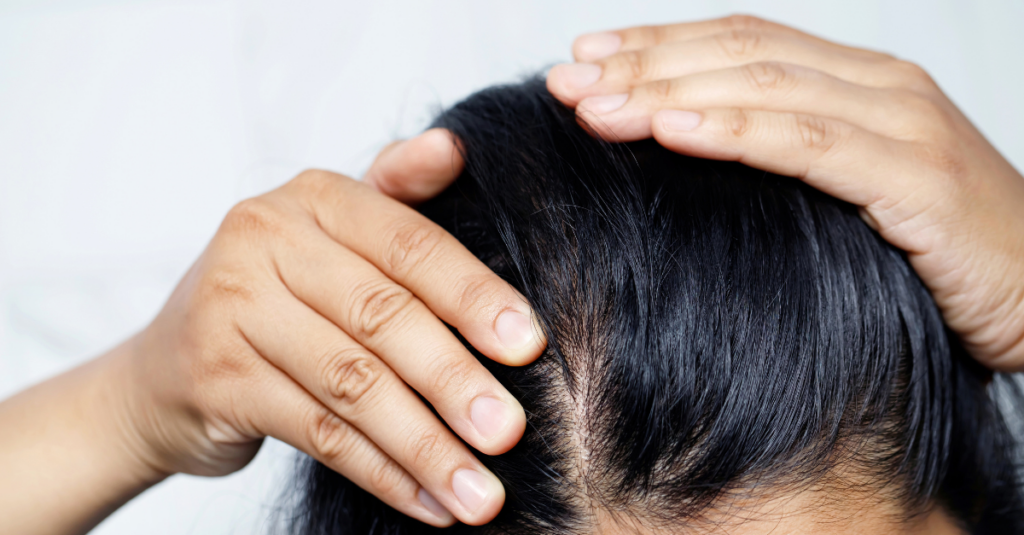
Talk to a Boss Clinic specialist during a free, one-on-one hair loss consultation.
Thinning Out? Perth’s Hair Replacement & Restoration Experts
With these factors in mind, allow our experienced hair loss specialists to determine the best hair replacement and regrowth solution for you.
Book an appointment today at our clinic in Perth, WA or call us today on 9388 2884, and we can help you take the first step towards hair restoration.
Book a free Consultation Let us find a hair loss solution for you
If you’ve been dreaming about how your hair used to be or have caught yourself admiring other people’s beautiful hair, you’ve come to the right place.
HAIR CARE PRODUCTS THAT ACTUALLY WORK Stop the loss and start regaining growth with quality products.
Built with 30+ years experience in the industry our products are developed with cutting-edge research and high concentration active ingredients, offering you hair care products that actually deliver results.