
Outside of life and everything, really what causes Hair Loss for Women Education & Results
Our guide below should provide a good starting point in what might be causing your problem and what can be done to help.
Alternatively, feel free to contact Boss Clinic at any time to arrange a free one-on-one consultation with a hair loss specialist.
Furthermore, feel free to read about our female hair loss treatments here.
Female Pattern Hair Loss When you need to seek help
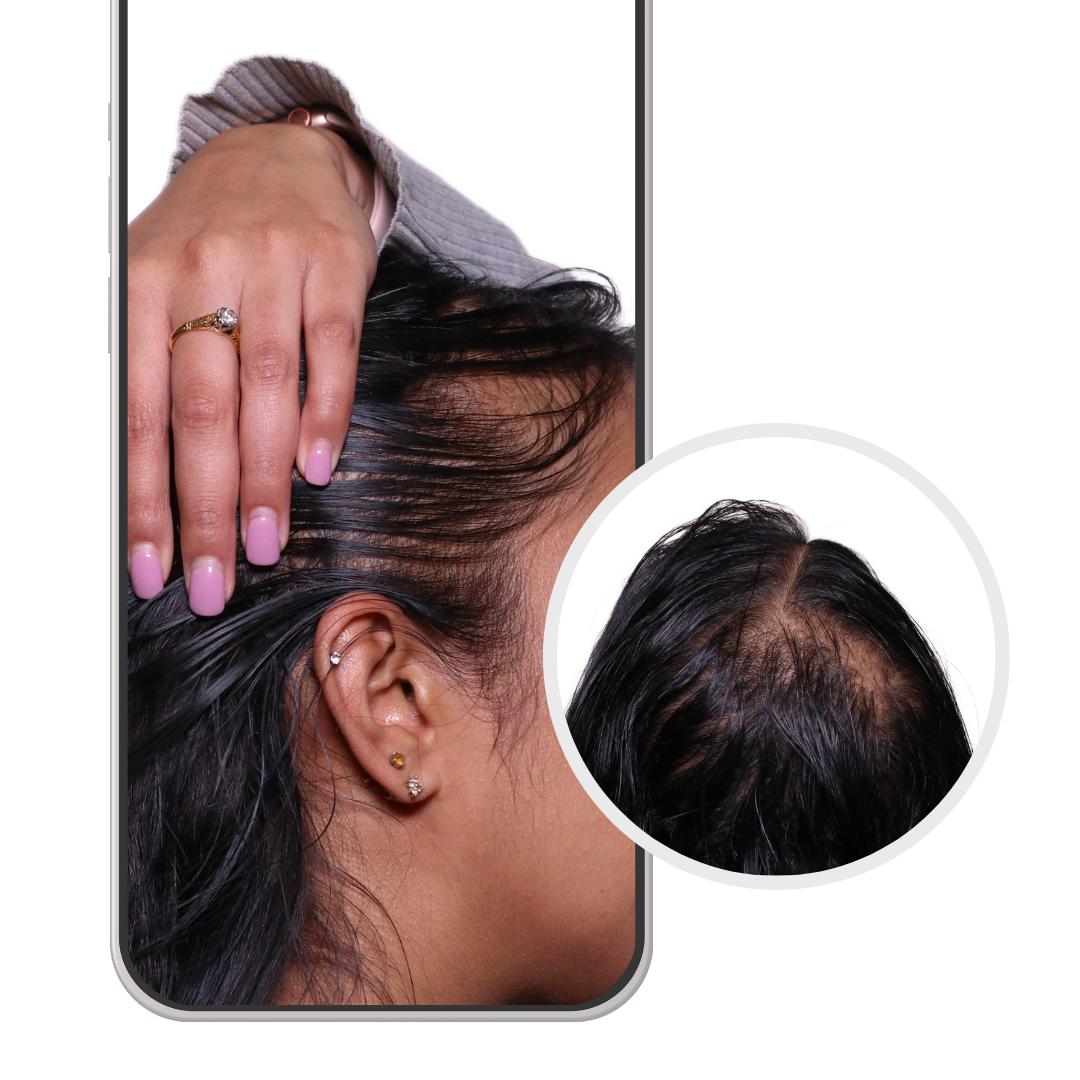
Also known as Androgenetic Alopecia, the hereditary condition of Female Pattern Hair Loss is one of the most common ones affecting women.
Thinning hair found around the top of the head and around the crown area, with hair remaining unaffected from the sides and back of the scalp, are common signs of Female Pattern Hair Loss.
Shedding more hair than usual, or your part becoming wider, are other symptoms. This may also lead to a receding hair line where hair thins around the temple area.
Patterns Of Hair Loss & Hair Loss Conditions
Boss Clinic provides effective treatment programs to prevent hair loss and promote hair regrowth using state-of-the-art technology and the most current, globally-recognised clinical methods.
Telogen Effluvium Female Hair Loss
Telogen Effluvium is usually a temporary condition which causes thinning of the hair from all over the scalp.
It is usually caused by an event that shocks certain hair follicles, causing the hair produced by these follicles to move from the growth phase to the resting phase.
The resting phase lasts around three months before the hair sheds with the ensuing hair loss occurring roughly three months after the event.
Triggers
Usually comes from a sudden stressful event or medical occurrence, however other factors to consider are
- childbirth
- commencing or discontinuing oral contraceptives
- pregnancy termination
- diet pills or other medications
Chronic Telogen Effluvium | Diffuse Hair Loss Female Hair Loss
Similar to temporary Telogen Effluvium in that its causes come from a sudden and stressful event, in the instance of Chronic Telogen Effluvium or Diffuse Hair Loss, the condition can be prolonged.
The reasons for this are usually because the underlying cause of the hair loss has not be dealt with.
Rectifying Chronic TE is done through an optimum course of treatment using minoxidil and considering any medical issues that may be causing the problem.
Triggers
- stress
- anaemia
- thyroid problems
- medication side-affects
Traction Alopecia Female Hair Loss
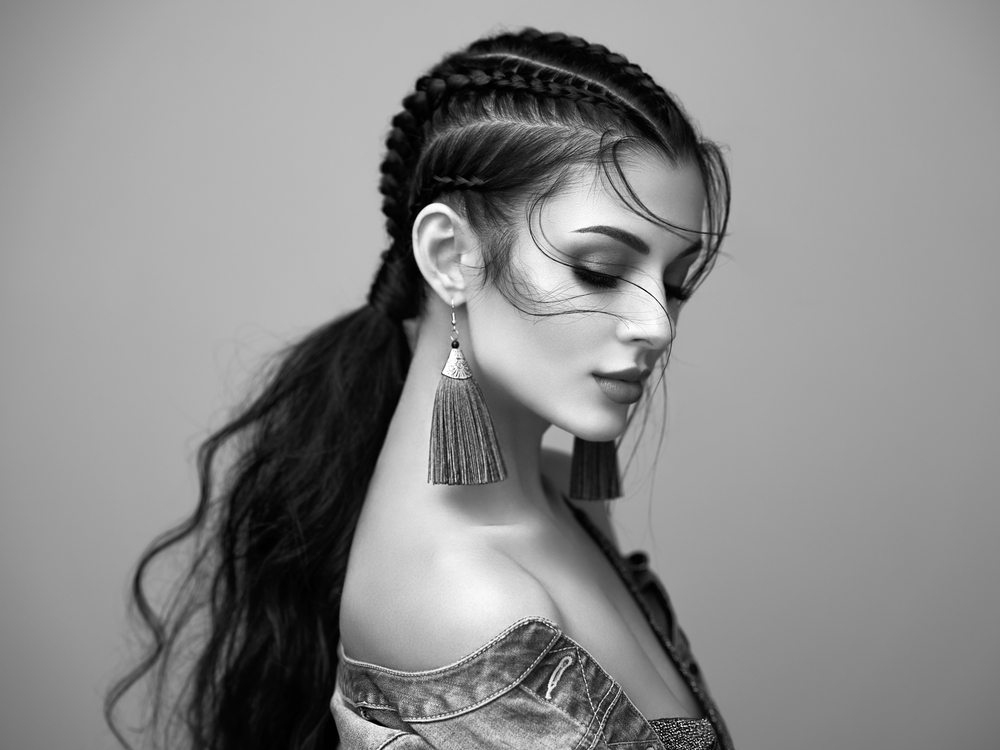
Placing constant and excessive tension on the hair shafts, often by overuse of hair extensions, tight braids or weaves, causes the hair loss condition known as traction alopecia.
As the hair follicles become damaged, hair loss will generally occur around the hairline and temples, with only fine or ‘fluffy’ hairs left behind.
If the cause of Traction Alopecia is concentrated in one specific location, for example a heavy hairpiece or ponytail extension, the condition can also cause patchy hair loss in that area.
Due to the nature of damage coming from hair styling, traction alopecia mainly affects women, though it can also occur in men who wear their hair in cornrows.
ALOPECIA AREATA Female Hair Loss
Alopecia Areata can come on suddenly and causes patchy hair loss, often in circular bald patches.
Stress or extreme shock are the common triggers for this often temporary hair loss condition, which can last around three months after the offending incident.
Alopecia Areata affects the head only with hair loss appearing anywhere on the scalp, however it can progress to more extreme cases leading to complete hair loss of the scalp and body.
Take the Step Perth’s Hair Replacement & Restoration Experts
With these factors in mind, allow our experienced hair loss specialists to determine the best hair replacement and regrowth solution for you. Book an appointment today at our clinic in Perth, WA or call us today on 9388 2884, and we can help you take the first step towards hair restoration.
Frequently Asked Questions
The two main culprits are genetics (female pattern hair loss) and hormonal changes (pregnancy, menopause, etc.). These can cause gradual thinning on the crown or top of the head, with the hair often remaining on the sides and back. Other possibilities include stress, certain medical conditions, and even hairstyling habits.
